


Cold Weather Dangers: What Every Pet Owner Should Know This Winter
Winter in Michigan’s Upper Peninsula brings beauty and brutality in equal measure. Snow accumulates in feet, not inches. Temperatures plunge well below freezing. Ice forms on every surface. While pets adapt to cold better than we might expect, the season introduces hazards that don’t exist during warmer months. Antifreeze puddles become lethal temptations. Salt and ice melt burn paw pads. Hypothermia threatens smaller dogs and outdoor cats. Knowing which winter dangers demand vigilance helps families protect pets through the long cold season.
The Animal Medical Center of Marquette understands winter risks from our location in the rural Upper Peninsula. Our Fear Free certified team treats cold-weather injuries and toxicities through our emergency and urgent care services– many of which are entirely preventable. Whether the concern involves frostbite, antifreeze ingestion, or arthritis that worsens in cold temperatures, we provide both treatment and prevention strategies. As a Cat Friendly Practice, we also address the unique winter risks indoor-outdoor cats face. Request an appointment to discuss winter safety or contact us immediately if your pet encounters a cold-weather emergency.
How Does Cold Weather Actually Threaten Your Pet’s Health?
Bitter weather creates two main cold temperature related emergencies: hypothermia and frostbite. Hypothermia happens when your pet’s internal temperature drops too low, making them shiver, lethargic, and confused. Frostbite is tissue damage from extreme cold, often on ears, tails, and paws. Understanding winter illnesses in pets helps you recognize when cold becomes dangerous.
Early warning signs include shivering, stiff movement, and lifting paws. If your pet shows these, head indoors. Small dogs, seniors, and thin-coated pets face higher risk, so keep outings short and watch closely.
What Makes Upper Peninsula Winters Especially Tough?
Wind chill, deep snow, and hidden ice magnify cold stress. Lake-effect systems bring quick temperature swings, and shorter daylight means colder walk times. Damp, wet snow and stiff winds can quickly become dangerous. Cold weather safety requires extra attention in our region.
Adjust routines based on weather conditions and your pet’s individual needs. Their age, coat, and health all affect how long they can be outside comfortably.
What Outdoor Dangers Lurk in Winter Landscapes?
Many products are toxic to pets. Keep the Pet Poison Helpline number handy- if your pet consumes something you’re worried may be toxic, give them a call with the packaging in hand. They can give you guidance on how promptly you should see a veterinarian, or if the product isn’t a problem.
Why Is Antifreeze So Deadly?
Ethylene glycol antifreeze tastes sweet and can be fatal even in small amounts. Pets may drink from puddles in driveways or garages. Early signs include vomiting and appearing “drunk,” followed by kidney failure within a day.
Immediate treatment is critical. If you suspect ingestion, call our emergency care line at 906-226-1772 right away. Prevent exposure by cleaning spills, securing containers, checking for leaks, and considering pet-safer propylene glycol options.
How Do Ice Melt Products Harm Paws?
Rock salt and chemical deicers can crack and burn paw pads. Licking treated paws may cause drooling or vomiting. Repeated exposure makes soreness worse over time.
Rinse and dry paws after walks, apply a protective balm, and consider booties for best protection. Choose pet-safe ice melt at home and avoid heavily salted areas. Winter hazards for pets include many common outdoor de-icing substances.
What About Rodenticides?
Rodent baits are common in winter and can cause serious bleeding or neurological issues. Pets may chew bait stations or eat poisoned rodents. Symptoms can be delayed for days, which complicates treatment. Avoid using rodenticides if you have a pet that’s prone to eating rodents (dead or alive).
If your pet may have eaten bait, bring the product packaging to your visit so we can identify the toxin and treat appropriately.
What Indoor Hazards Develop During the Holiday Season?
Dry indoor air can lead to flaky skin, chapped noses, and static discomfort. Humidifiers and gentle treatments for dry skin in pets can help.
Space heaters pose burn and tip-over risks, and cords invite chewing. Use barriers, choose safer heater styles, and never leave heaters running unattended with pets nearby.
Seasonal decor can be tempting. Cats may chew strings and tinsel, which can lead to serious intestinal issues. Chocolate and sugar-free treats with xylitol can be deadly to dogs. Christmas tree water can harbor mold and toxic fertilizers or pesticides. Some winter plants, like lilies and poinsettias, are toxic. Keep decorations secure and out of reach, block off access to Christmas trees, and skip the tinsel.
Does Your Pet Need Winter Clothing?
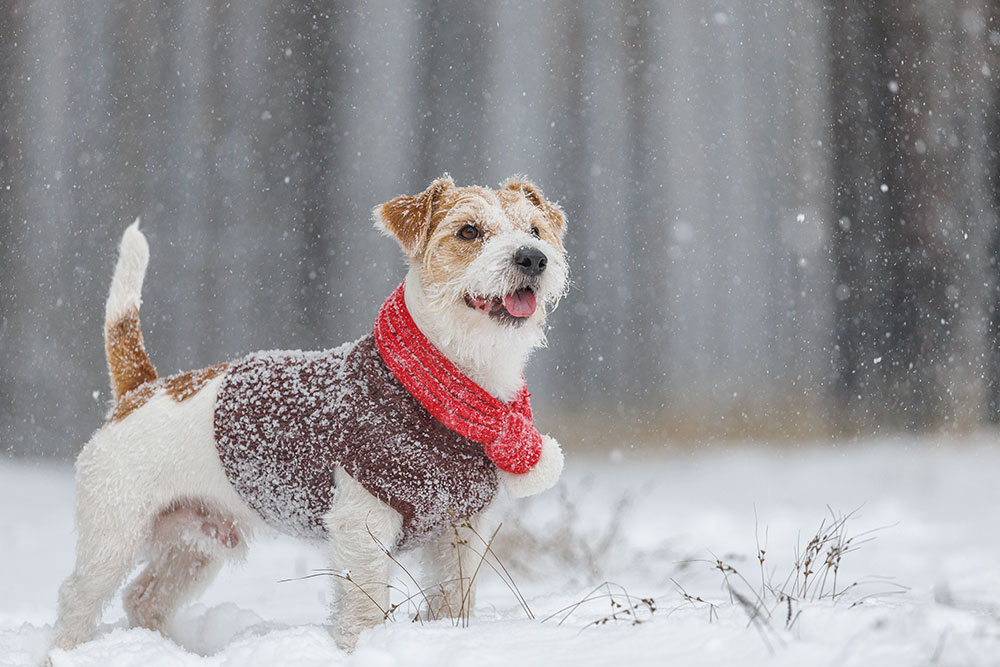
Short-haired breeds, small dogs, seniors, and puppies often need sweaters or jackets. Thick-coated breeds like Huskies usually don’t, but wet conditions can chill anyone- waterproof layers help during long snow play.
All dogs benefit from paw protection. Booties are especially helpful for dogs with toes that are sensitive to the cold, or for dogs with long toe hair that develop snow and ice balls between the toes when enjoying the winter weather. Booties prevent ice buildup, salt burns, and slips. If booties aren’t an option, use a quality paw balm before and after walks.
How Do You Keep Outdoor Cats Safe?
Outdoor cats need insulated shelters with small entrances to hold warmth and escape routes for safety. Elevate shelters out of wind and use straw, which insulates and stays dry better than blankets.
Provide unfrozen water with heated bowls and extra calories to maintain body heat. Understanding how to care for outdoor cats in winter becomes critical in harsh conditions. If possible, transition cats indoors before severe cold and bring them inside during dangerous weather. Our Cat Friendly certified team can help you create a safe indoor transition plan that reduces stress for both you and your cat.
What Changes Should You Make to Your Pet’s Diet?
Cold weather can increase calorie needs, especially for active outdoor pets. On the other hand, some pets prefer to curl up in front of the fire and hibernate the winter away, lowering their caloric needs. Monitor your pet’s weight and adjust portions to prevent unhealthy loss or gain.
Hydration matters in winter too. Pets may drink less if water is cold or they eat snow. Offer fresh, room-temperature water throughout the day and encourage drinking after play.
Our nutrition and weight management support within our wellness programs can help you fine-tune feeding for winter activity levels.
How Can You Help Senior Pets With Joint Pain?
Cold, damp weather can worsen arthritis. Seniors may seem stiffer, slower, or less willing to walk. Make home adjustments: provide thick orthopedic beds, add non-slip rugs, use ramps, and raise bowls to reduce strain.
Keep pets moving with shorter, more frequent walks and gentle indoor play. For pain control, we can discuss joint supplements, anti-inflammatory medications, laser therapy, and monthly injections like Solensia for cats and Librela for dogs that target joint pain more precisely. These options can help seniors stay comfortable all winter.
Winter Products We Love
Winter brings dry itchy skin and sore joints- here are some products we recommend that can help:
- Oatmeal Shampoo- soothing to dry skin
- Skin Care Collars- promotes a healthy skin barrier with hydration and nourishing ingredients
- Joint Care Treats- full of glucosamine, chondroitin, omega fatty acids, and more to help your dog or cat’s joints move more smoothly. There are many options for flavors and type.
- Omega Fatty Acids– great for health skin and lowering inflammation from painful joints
- Dental Chews- keep your pet cozy inside and entertained- while also providing dental benefits
When Should You Seek Veterinary Care?
Book a wellness exam before winter to review chronic conditions and medications. Pets with heart, kidney, or endocrine issues may need closer monitoring in cold weather. Getting ahead with preventative healthcare helps catch potential problems before they become winter emergencies.
Certain signs need quick attention: severe shivering that won’t stop indoors, confusion, breathing trouble, or pale/blue skin on ears, paws, or tails. Vomiting, diarrhea, or odd behavior after toxin exposure also warrant urgent care.
Keep an emergency plan: extra medications on hand, our contact info accessible, and a clear route to the clinic. We use Fear Free techniques to help reduce stress during urgent visits. During our clinic hours (Monday through Thursday 9:00 AM to 6:00 PM, Friday 9:00 AM to 5:00 PM), we take emergencies immediately- call 906-226-1772 if your pet needs urgent care.
Winter Safety: Quick FAQ
How cold is too cold for dogs? It depends on the dog. Many dogs do fine in the 20s for brief outings, but wind, wetness, and size matter. If your dog shivers, lifts paws, or wants to go in, it’s too cold.
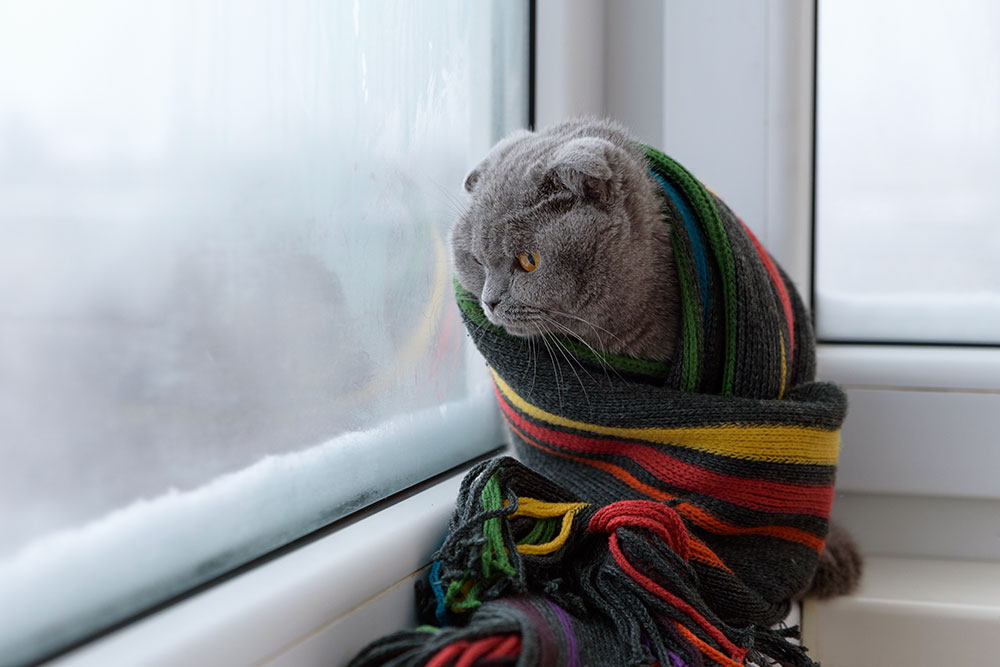
Do cats get frostbite? Yes, especially on ears, tails, and paws. Outdoor cats should have insulated shelters and be brought inside during severe weather.
Are “pet-safe” de-icers safe to ingest? No product is safe to eat. Pet-safe options are less irritating to paws, but still rinse and dry feet after walks.
Can pets get dehydrated in winter? Yes. Cold water discourages drinking. Offer fresh, room-temperature water and monitor intake, especially after play.
Preparing for a Safe Winter Season
Winter safety comes down to planning and paying attention. Adjust outdoor time to conditions, use protective gear, keep indoor air comfortable, and watch for early signs of cold stress. Small dogs, seniors, and outdoor cats need extra care.
Our team is here to help with prevention, nutrition changes, pain relief, and emergencies. Winter doesn’t have to mean worry. With thoughtful precautions and veterinary support, your pet can enjoy the season safely.
Ready to prepare for winter? Contact us or request an appointment to discuss your pet’s cold-weather needs, review safety plans, or get help fast during an emergency. We’re your partner in keeping your pet comfortable, protected, and happy all season long.



Leave A Comment