


Crate rest and e-collars (the infamous “cone of shame”) are often met with groans from pets and people alike. We know it is not fun. But when it comes to healing after surgery or injury, these tools are more than just accessories. They are essential components of a successful recovery, and they are usually the difference between a smooth healing process and a complication that sends you back to the clinic.
At the Animal Medical Center of Marquette, we often hear the same questions from pet families: Is crate rest really necessary? Does the cone have to stay on all day? What if my pet seems miserable? Can they eat or drink with a cone on? Our team supports families through post-op recovery with practical guidance and timely rechecks. If your pet is preparing for or recovering from surgery, contact us or request an appointment with any questions.
Key Takeaways
- Crate rest and an e-collar are medically necessary after most surgical procedures because pets cannot regulate their own activity, and a few seconds of licking or jumping can undo weeks of healing.
- Most surgical complications (infection, dehiscence, suture damage, re-injury) happen at home rather than in the clinic, which is why following discharge instructions exactly matters more than how miserable your pet looks.
- Common warning signs that warrant a call to us include bleeding or discharge at the incision, swelling, refusing food for more than 24 hours, persistent vomiting, sudden lethargy, or any visible damage to sutures.
- Mental enrichment, calm companionship, and a quiet recovery space help your pet cope emotionally with confinement, which makes the physical restrictions easier on everyone.
What Are the Most Common Post-Op Complications?
Most post-surgical complications come down to four root causes: excessive activity, licking or chewing at the incision, inadequate rest, and underlying factors like age or concurrent conditions. Almost all of these happen at home rather than in the clinic, which is why discharge instructions matter as much as the surgery itself. Breed, lifestyle, and your pet’s individual temperament all influence how easily restrictions are maintained.
The complications we work hardest to prevent:
- Infection at the surgical site, often from licking or contamination
- Wound dehiscence (incision opening) from licking, scratching, or excessive movement
- Suture damage from chewing or sudden pulling
- Re-injury to the surgical area from jumping, running, or rough play
- Seroma or hematoma from too much activity too soon
- Internal complications including implant failure in orthopedic cases or organ injury after abdominal surgery
Crate rest for dogs and cage rest for cats are how we prevent the activity-based complications. Post-op care for cats deserves particular attention because cats are agile and can jump even when they feel poorly, which is one of the reasons crate or small-room confinement is so important for feline patients.
Why Does Crate Rest Really Matter for Healing?
When a pet is recovering from orthopedic surgery, soft tissue repair, or a major illness, rest is not just helpful, it is medically necessary. Tissues need uninterrupted time to heal at the cellular level, and movement disrupts that process by pulling on sutures, increasing inflammation, and sometimes destabilizing implants or repairs that depend on protected healing time.
Crate rest helps:
- Prevent re-injury by limiting movement and impact
- Protect surgical sites from strain or pulling
- Promote faster, more complete healing
- Support pain management by minimizing inflammation
- Maintain orthopedic implants in correct position while bone heals
Without adequate rest, healing can be delayed or reversed. Pets allowed to run, jump, or roam too early may require repeat surgery, longer recovery times, or additional medication. The timeline varies by procedure: a simple spay or neuter typically calls for 10 to 14 days, while a cruciate ligament repair or major orthopedic surgery can require 8 to 12 weeks of restriction.
Why Does the Cone Need to Stay On?
The cone, or e-collar, may look uncomfortable, but it plays a critical role in protecting the work your veterinary team has just done. Pets instinctively lick, bite, or scratch at wounds and sutures, particularly as healing progresses and the incision starts to itch. Even a few minutes of unsupervised licking can cause infection, wound reopening, or suture failure that requires emergency repair.
A pet without a cone can undo an entire surgical repair in minutes. We have seen incisions that looked perfect at the morning recheck reopen by evening because the cone came off “just for dinner.” This is why the standard recommendation is: the cone stays on for 10 to 14 days after surgery, around the clock, including while eating, drinking, and sleeping.
Some pets tolerate alternatives better than the traditional rigid plastic cone:
- Soft fabric cones that flop forward and are gentler on furniture and walls
- Inflatable collars that resemble a neck pillow
- Recovery suits (full-body fabric garments) for incisions on the body or abdomen
- Surgical onesies for abdominal incisions
Each of these has tradeoffs. Cone alternatives can work for some pets but are inadequate for others, depending on the location of the incision, the pet’s size and flexibility, and how persistent their licking instinct is. Ask us before switching, because some alternatives let a determined pet reach the surgical site anyway, and a “successful” alternative that allows partial access is worse than the rigid cone.
How Do I Recognize Pain or Trouble During Recovery?
Pets are excellent at masking pain, which means recognizing the subtle behavioral signs matters more than waiting for obvious distress. Common pet pain signs include changes in posture, appetite, sleep patterns, and social behavior, and tools like the feline grimace scale help families identify discomfort from facial expressions in cats specifically.
Warning signs that warrant a call:
- Bleeding, swelling, or discharge from the surgical site, especially yellow, green, or foul-smelling
- Persistent vomiting or diarrhea beyond the first 24 hours
- Refusal to eat or drink for more than 24 hours after surgery
- Difficulty breathing or sudden lethargy
- Visible damage to sutures or the incision
- Increased pain beyond the first few days when pain typically improves
- Reluctance to move, hiding, or trembling that worsens rather than improves
- A hot, hard, or markedly swollen surgical site
- Limping that worsens rather than gradually improves
Cats often hide more, eat less, and groom less when in pain. Dogs may pant excessively, hunch their back, become unusually clingy or unusually withdrawn, or guard the surgical site. If you’re worried, we’re available for emergency visits during our normal hours. Calling sooner rather than later prevents small problems from becoming big ones.
How Do Veterinarians Monitor Post-Op Recovery?
Recheck appointments are how we confirm healing is on track and catch problems before they progress. Most procedures involve at least one scheduled recheck around 10 to 14 days after surgery for suture removal and incision assessment, with additional rechecks for more complex cases. The exam combines visible incision evaluation, palpation for swelling or pain, and questions about appetite, energy, and any concerns at home.
A typical post-op assessment includes:
- Incision inspection for redness, swelling, discharge, dehiscence, or sutures pulling at the skin
- Palpation of the surgical area for pain, fluid pockets, or hardness
- Suture removal when appropriate, or confirmation that absorbable sutures are dissolving as expected
- Pain and mobility assessment including range of motion for orthopedic cases
- Diagnostic imaging when indicated, such as repeat X-rays to confirm bone healing in orthopedic patients
- Bloodwork in selected cases to check for signs of infection or organ involvement
For some cases, particularly orthopedic surgeries and major soft tissue procedures, post-surgical care extends well beyond suture removal. Veterinary physical rehabilitation including controlled exercise, range-of-motion work, hydrotherapy, and laser therapy can accelerate functional recovery and reduce the risk of compensatory injuries. Whether rehabilitation is appropriate depends on the procedure and your pet’s individual needs, and our team can discuss options at the recheck visit.
How Should I Set Up a Recovery Space at Home?
A well-designed recovery area is what makes the difference between a pet who tolerates crate rest reasonably well and one who turns it into a 14-day battle. Your pet’s crate or recovery area should be a calm, secure retreat that supports their physical healing while also addressing their emotional need for safety and connection. Quiet, comfortable, accessible, and stocked with safe enrichment is the goal.
Crate Setup Checklist
| Item | Why It Matters |
| Soft, supportive bedding | Prevents pressure sores and supports joints |
| Low noise and foot traffic | Reduces anxiety and promotes better sleep |
| Fresh water available at all times | Maintains hydration without overexertion |
| Safe access to toys or chews | Provides mental stimulation without strain |
| Easy access for cleaning | Allows quick cleanup of any accidents without disturbing your pet |
Avoid placing the crate near distractions like busy walkways or other pets. A quiet corner with natural light and regular visits from family members strikes the right balance between comfort and companionship. For cats, a small bathroom or laundry room with a low-sided litter box, water, food, and a soft bed often works better than a wire crate because it gives them more sense of control.
What Mental Enrichment Is Safe During Crate Rest?
A physically restricted pet often experiences mental restlessness, and bored pets become destructive, anxious, or vocally insistent on getting out. Mental enrichment that does not require physical activity is genuinely therapeutic during recovery: it reduces stress, slows down feeding, occupies attention, and helps prevent the behavioral fallout that comes from weeks of inactivity. The trick is enrichment that engages the brain without engaging the body.
Mental stimulation ideas:
- Food puzzles: engage problem-solving skills while slowing down eating; try these DIY cognitive toys for easy at-home options
- Scent games: hide a few treats in the crate bedding or beneath safe containers for your pet to discover
- Safe chews: vet-approved safe chew toys for dogs help satisfy the natural urge to gnaw, and a review of potential dangers of popular dog chews helps you avoid the high-risk options
- Cat enrichment: for feline patients, enrichment toys for cats keep them mentally engaged without requiring physical exertion
- Rotation strategy: change out toys every 1 to 2 days to maintain novelty and interest
- Window viewing: move the crate near a window with bird feeders or people-watching if they can watch calmly without becoming overstimulated
- Snuffle mats and licki mats: spread soft food or peanut butter (xylitol-free) for licking, which is naturally calming for many dogs
What Behavior Changes Should I Expect During Recovery?
It is not unusual for pets to show signs of frustration during the healing process. Barking, whining, digging at the crate, or refusing food can all indicate emotional stress rather than physical pain. Recognizing the difference between behavioral protest and a genuine medical concern is part of getting through the recovery period without panicking at every change.
Strategies that support calm behavior:
- Reward quiet, calm behavior with treats or praise; pay attention to the moments your pet settles
- Ignore minor attention-seeking behaviors to avoid reinforcing them, since responding to whining teaches your pet that whining works
- Avoid punishment, which increases anxiety; do not add more negativity to an already stressful time
- Use calming tools like soft music, pheromone diffusers (Adaptil for dogs, Feliway for cats), or a covered crate to reduce visual stimulation
- Maintain feeding and meal-times consistently, since predictable routine is calming
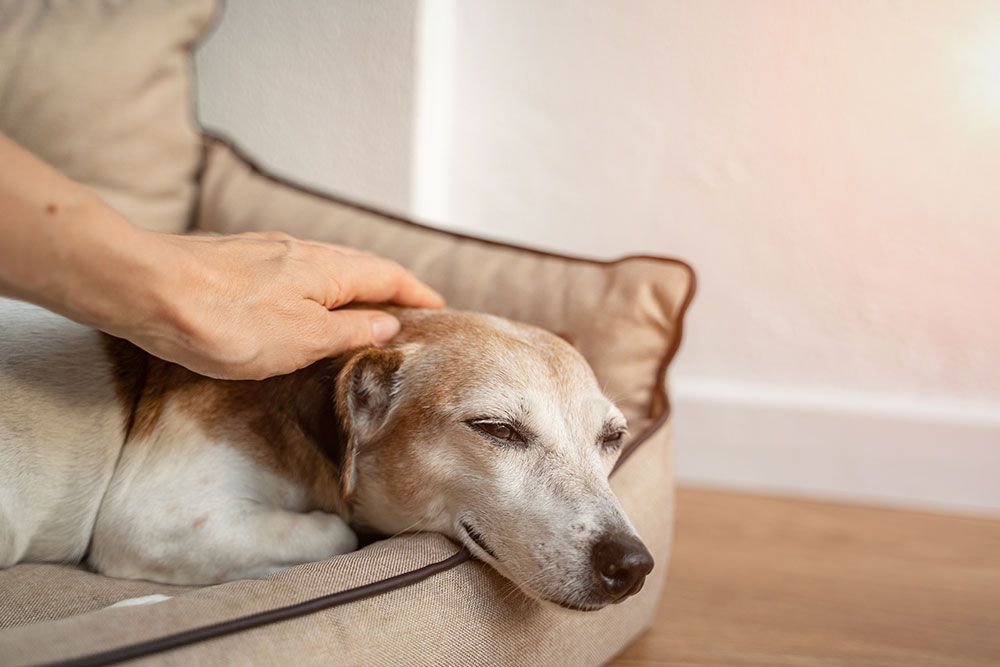
If anxiety becomes severe enough to interfere with healing (refusing all food, self-injurious behavior, persistent panic), call us. Anti-anxiety medication is appropriate for some pets during the recovery period and can make the difference between a successful recovery and a complicated one.
Frequently Asked Questions About Post-Op Care
Can I take my pet out of the crate for a walk?
Only if your veterinarian has cleared it. In most cases, only brief, leashed bathroom breaks are permitted until healing is further along. Orthopedic patients often have a structured walk schedule that increases gradually over weeks.
My pet hates the cone. What are the alternatives?
Some pets tolerate inflatable, soft, or recovery suit options better than a rigid plastic cone. Always confirm with us before switching, because some alternatives let determined pets reach the surgical site anyway, and partial protection is not enough.
Can I let my pet sleep in my bed during recovery?
This is usually not recommended. Unsupervised movement, jumping on or off furniture, and repositioning can increase the risk of re-injury. If you want them nearby, place a crate or pen in your bedroom rather than allowing bed access.
How long will crate rest last?
It varies by procedure. Some pets need a week; others several months for major orthopedic recovery. Always follow your veterinary team’s specific guidelines and ask if you are unsure.
My pet has not eaten since coming home from surgery. Should I worry?
A reduced appetite for the first 24 hours after anesthesia is common and not necessarily concerning, particularly with the lingering effects of pain medication. Beyond 24 hours, or if your pet is also lethargic, vomiting, or shows other signs of trouble, contact us.
The incision looks slightly red or bruised. Is that normal?
Mild redness and bruising in the first few days are usually normal as part of the healing process. Concerning signs are progressive worsening: increasing redness over time, swelling that grows rather than shrinks, discharge, heat, severe pain, or any opening of the incision.
Setting Your Pet Up for a Smooth Recovery
Recovery does not have to be frustrating or lonely. With a clear plan, a little creativity, and steady care, crate rest and cone time become part of the healing process rather than a burden. Following discharge instructions closely, watching for warning signs, and calling early when something seems off is what produces the smoothest outcomes.
If you have questions about post-op care or notice something concerning during your pet’s recovery, contact us or request an appointment. With the right support, your pet can heal safely and return to the activities you both love.