


Why Canine Ear Infections Keep Coming Back in Dogs (and How to Stop Them)
You know your dog’s routine: their head shaking starts again, followed by the frantic scratching, and then you smell that distinct odor. You thought the last vet visit and medicine finally solved the problem, but here you are, dealing with another painful ear infection in your dog.
It’s frustrating to watch your pet suffer through recurring ear issues and wonder what you’re doing wrong. If your dog seems stuck in a cycle of chronic ear problems, it’s not bad luck; there’s almost always an underlying cause like allergies, moisture, or ear anatomy that keeps triggering them. Identifying these deeper triggers and following a consistent cleaning and treatment strategy is the only way to finally break this cycle.
At the Animal Medical Center of Marquette, we understand how discouraging chronic ear infections can be for both you and your dog. Our Fear Free Certified team focuses on making each visit as calm as possible while using advanced diagnostic tools and treatments to pinpoint what’s really behind your dog’s recurring ear issues. We don’t just treat infections, we dig for the “why.”
Why Dog Ear Infections Develop
A dog’s ear canal is shaped like an “L,” which helps trap debris and moisture- great for hearing field mice, not so great for keeping out yeast and bacteria. Normally, a healthy balance of microorganisms lives in the ear, but when something disrupts that balance (think allergies, excess moisture, or underlying illness), infection follows.
Routine wellness care can catch small changes early, like redness or wax buildup, before infection sets in. Our veterinarians may recommend lifestyle adjustments like drying ears after swimming or avoiding certain allergens to protect those sensitive canals.
Why Dog Ear Infections Keep Coming Back
Chronic ear infections rarely happen “just because.” There’s usually a sneaky underlying factor keeping the problem alive. Common culprits include:
- Moisture and anatomy: Floppy or hairy ears can trap dampness after a bath or a good romp in Lake Superior.
- Environmental triggers: Dog allergies to food, pollen, or dust can cause inflammation that alters the ear’s defenses.
- Foreign invaders: Seeds or foxtails can wedge deep into the ear canal, irritating tissue and harboring bacteria.
- Endocrine disorders: Diseases like hypothyroidism or Cushing’s disease can make skin oilier and immune defenses weaker, giving infections a foothold.
If your dog’s ear issues keep coming back despite treatment, it’s time for a deeper diagnostic look. We can perform cytology, allergy testing, and bloodwork to find the real cause and finally get your pet some peace (and fewer head shakes). Schedule a visit to get started.
When Your Dog’s Ear Infection Becomes Complicated
Sometimes what looks like “just another ear infection” is actually a chronic condition in disguise. Warning signs include:
- Rapid relapse after finishing medication
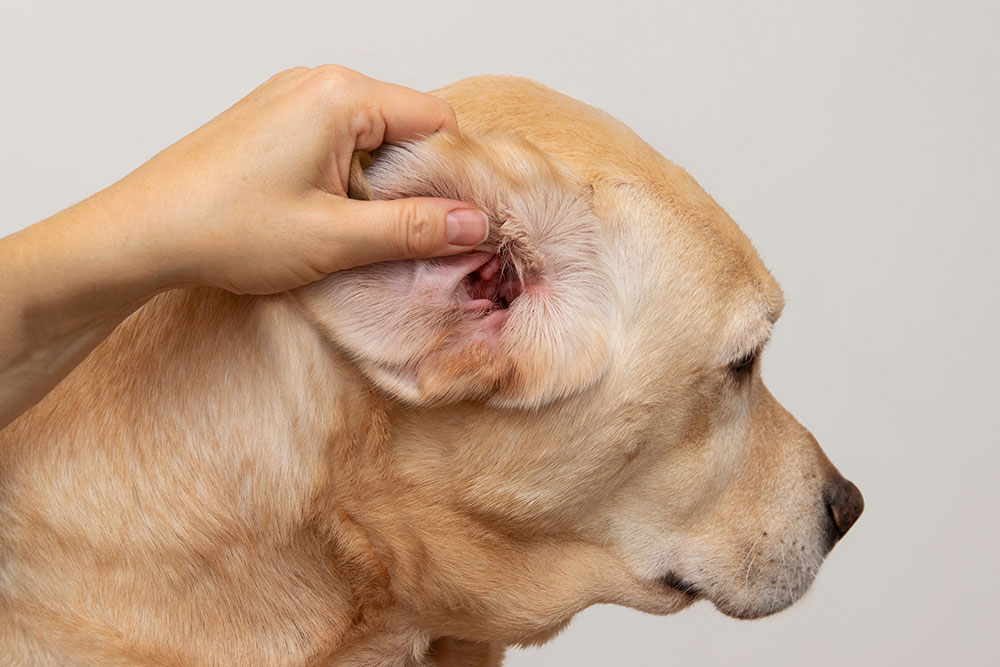
- Redness and thickened skin inside the ear
- Persistent odor or discharge
- Tilting the head or loss of balance
- Painful swelling that may turn into ear hematomas
Left untreated, repeated inflammation can permanently thicken the ear canal, trapping debris and creating a painful cycle. If these symptoms sound familiar, it’s time for a comprehensive evaluation at our Fear Free Certified clinic to bring lasting relief.
Diagnosing Chronic and Recurrent Canine Ear Problems
To stop recurring infections, we first need to understand why they’re happening. That starts with a thorough ear exam. Our veterinarians use an otoscope to look deep into the canal and check for debris, swelling, or hidden foreign objects.
We also perform ear cytology to identify the specific organisms (yeast, bacteria, or mites) causing trouble. In tougher cases, a culture and sensitivity test guides antibiotic choice for resistant infections.
Because allergies and diet often play a role, we may recommend an elimination diet trial to rule out food sensitivities. Our diagnostic capabilities help us connect all these puzzle pieces into a tailored plan.
Treatment Strategies for Recurring Canine Ear Infections
Chronic ear infections are painful for pets and frustrating for owners. They often come back because of deeper issues like allergies or structural changes, so quick fixes rarely work. That’s why long-term success requires a personalized plan focused on healing and prevention.
Here’s how we approach lasting relief:
1. Clearing the Active Infection
Treatment begins with thorough ear cleaning, sometimes under light sedation if the ear is very sore. We use medicated drops or oral antibiotics when needed, and sometimes laser therapy to reduce inflammation and speed up healing.
2. Rechecks to Confirm Healing
Even when your dog’s ears look better, infection can linger below the surface. Regular rechecks make sure the infection is truly gone before stopping treatment.
3. Addressing the Root Cause
For dogs with allergies, we may suggest ongoing allergy management or dietary changes. Identifying food allergies early can make all the difference. In some cases, growths or polyps may need surgical removal to restore airflow and drainage.
4. Advanced Cases
When ear canal changes are severe, a total ear canal ablation (TECA) might be the best route to restore comfort. While it sounds extreme, this surgery can be life-changing for dogs suffering from constant pain and chronic infection. Our team will guide you through every step to ensure your pet’s comfort before, during, and after surgery.
Long-Term Prevention: Keeping Ears Healthy Year-Round
Healthy ears require regular maintenance and a keen eye for early warning signs. Establishing a routine based on your pet’s lifestyle can keep infections from recurring.
Practical steps include:
- Drying ears after swimming or bathing
- Checking regularly for debris or foxtails after hikes
- Managing allergies year-round
- Supporting nutrition for skin health through balanced diets and supplements
Our veterinarians can help you create a customized prevention plan during routine wellness visits, ensuring you stay one step ahead of flare-ups.
Frequently Asked Questions About Recurring Canine Ear Infections
Q: My dog loves swimming. Does that mean they’ll always get ear infections?
Not necessarily! Regular drying and gentle cleaning after swims can prevent moisture buildup that leads to infection.
Q: Can foxtails really get stuck in ears?
Yes, and they can travel deeper than you’d expect. If your dog’s symptoms appear suddenly after outdoor play, schedule an exam immediately.
Q: Are allergies always to blame?
They’re a major factor, but endocrine issues like hypothyroidism or Cushing’s can also contribute. That’s why thorough diagnostics matter.
Q: Will my dog need surgery?
Only in advanced cases. Most infections resolve fully with early, consistent care.
Q: Can I just clean my dog’s ears at home?
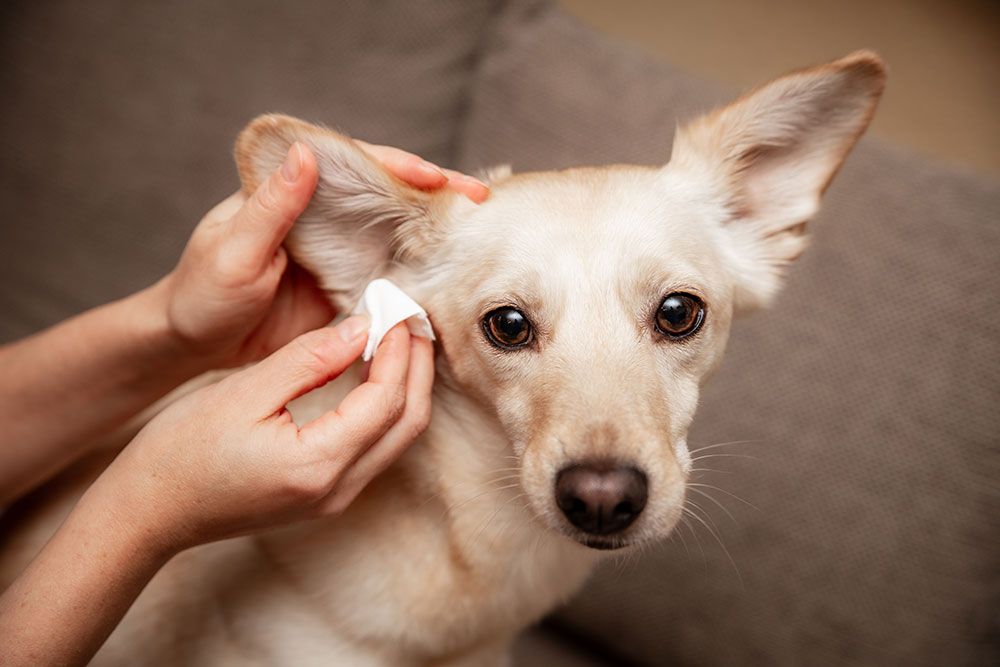
Routine cleaning helps, but it’s not a replacement for medical treatment, especially when infections are recurrent or painful. Ask us what ear cleaners we’d recommend for your dog- not all ear cleaners are created equal.
If you have lingering questions or concerns, our compassionate team is always happy to talk through your pet’s needs and comfort options.
Breaking Your Dog’s Ear Infection Cycle for Good
Recurring ear infections can feel endless, but they don’t have to be. With proper diagnosis, full treatment, and prevention, most dogs can enjoy comfortable, itch-free ears again.
At Animal Medical Center of Marquette, we’re proud to be AAHA accredited and even prouder to bring together advanced care, Fear Free handling, and the kind of small-town compassion that makes pets (and their people) feel right at home.
Ready to put an end to the ear infection cycle? Contact us or request an appointment today to get your dog’s ears back to happy and healthy- with fewer smelly, gooey, headshakes.



Leave A Comment