


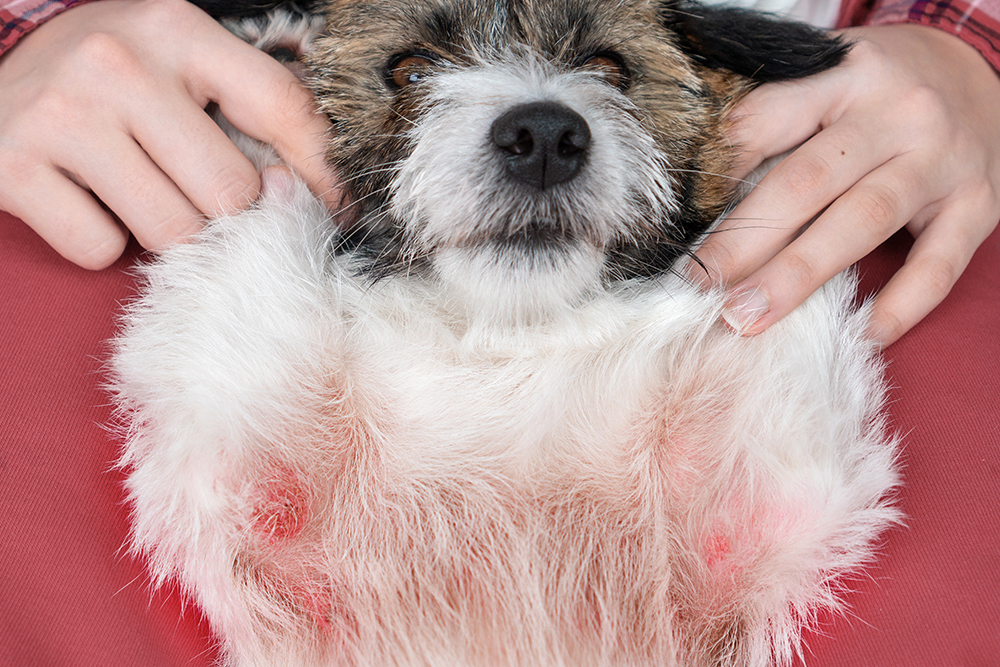
An allergic reaction tips into emergency territory the moment it moves beyond the skin: sudden vomiting, weakness, pale gums, or trouble breathing mean the whole body is involved, not just one itchy patch. The everyday itch, a crop of hives, and full anaphylaxis are the same immune system misfiring at different volumes. A dog with a puffy muzzle after a bee sting is usually a call-your-vet situation; a cat who vomits and goes limp minutes after a sting cannot wait. Reading which level your pet is at, and matching your speed to it, is what protects them.
Animal Medical Center of Marquette sees that entire scale in the rural Upper Peninsula, from the chronic itch our dermatology service investigates to the hives that erupt after your dog loses an argument with a bee. We provide emergency care for dogs and cats during our regular hours and keep medications on hand to settle a reaction before it climbs. If your pet is so itchy they can’t function, covered in welts, or acting strangely after a sting, call us right away for Fear Free, AAHA-accredited, Cat-Friendly Certified veterinary care in Marquette.
Itch, Hives, or Emergency in Sixty Seconds
- Allergic reactions run along a scale: chronic itchy skin that needs a plan but not a panic, hives or respiratory changes that earn a same-day call, as different in each.
- A reaction has gone systemic when the signs live below the skin: vomiting, weakness, collapse, pale or bluish gums, and any trouble breathing.
- Dogs in anaphylaxis often crash through the gut first with vomiting and collapse, while cats show sudden respiratory distress, so the emergency looks different in each.
- Chronic allergies are best handled by treating the root cause with the right medication, parasite prevention, allergy testing, and sometimes a diet trial, not by chasing one flare at a time.
What Triggers Allergic Reactions in Dogs and Cats?
Most allergic reactions trace back to something in the environment, the food bowl, or something that bites or stings. The immune system treats an ordinary substance as a threat and overreacts, which is why the same dog can be miserable in ragweed season and fine all winter.
Pollen, grass, mold, and dust mites are the usual suspects, and they drive atopic dermatitis, the itchy skin disease behind most allergic dogs and plenty of cats. The rest show up differently:
- Food: True food allergies usually involve a specific protein the pet has eaten for a while, and because dinner doesn’t change with the seasons, the itching, ear trouble, or tummy upset runs year-round.
- Fleas: Saliva from a flea bite sets off flea allergy, the itchiest of the common triggers and the one most within your control.
- Stinging insects: Bee and wasp stings can swing from a puffy muzzle to a body-wide emergency in minutes.
Can Vaccines and Medications Cause a Reaction Too?
Vaccines and medications can occasionally trigger an allergic response, but serious reactions are uncommon, and the protection vaccines provide far outweighs the small risk. A normal post-vaccine pet is a little quiet and maybe sore at the injection site, back to themselves within a day. A few pets develop more serious vaccination reactions, a true allergic reaction to an ingredient in the vaccine.
Call us for facial or muzzle swelling, hives, repeated vomiting, or any change in breathing, especially in the first few hours, and give a new medication the same watchful eye. Tell us about any past reaction before the next shot or drug: we review vaccine and reaction history at your pet’s wellness and vaccination visits, and a known sensitivity changes how we time, space, or pre-medicate future care.
How Do I Know How Urgent My Pet’s Reaction Is?
The urgency of an allergic reaction comes down to how far past the skin it’s traveled: itch and rash alone can usually wait for a scheduled visit, hives or noticeable swelling earn a same-day call, and anything systemic (vomiting, collapse, pale gums, labored breathing) is a true emergency. Here’s the quick read:
| Tier | What it looks like | How fast to move |
| Monitor | Chronic itching, licking, recurrent ear or skin infections, hair loss | Book a dermatology workup soon |
| Same-day | Hives, facial or muzzle swelling, a sting with growing puffiness | Call us today |
| Emergency | Vomiting, weakness, collapse, pale or bluish gums, trouble breathing | Come in now |
We handle urgent and emergency cases while our doors are open, so call the same day when you’re not sure which tier you’re seeing. On the way in, note the timing and the likely trigger, bring the suspected culprit if you can safely grab it, skip human medications unless we’ve given you a dose, and do not induce vomiting.
What Do Chronic Allergic Skin Problems Look Like?
Chronic allergies rarely announce themselves as an emergency; they show up as the itchy, licky, ear-scratchy patterns that wear a pet down over months. This monitor-and-manage tier looks different in dogs and cats.
Chronic Skin Reactions in Dogs
The classic allergic dog licks, chews, and scratches into redness, thinning hair, recurrent ear inflammation, and skin infections that keep circling back. A few spots take the brunt of it:
- Paws: Persistent licking and trapped moisture between the toes push skin allergies in dogs toward sore, swollen feet. That irritation can settle into pododermatitis, inflamed skin across the paw, or the deeper cystic lesions of interdigital furunculosis in the webbing between the toes.
- Skin: All that licking can boil over into hot spots, raw oozing patches that erupt in hours.
- Ears: Chronic otitis externa, or ear infections, leaves a dog shaking their head or begging for ear rubs.
Chronic Skin Reactions in Cats
Cats keep their misery quieter, so skin allergies in cats show up as a change in the coat rather than a dog’s obvious licking and chewing.
- Overgrooming leaves symmetrical bald patches on the belly or legs, often long before anyone catches them at it, since most cats do their serious grooming in private.
- The crusty bumps of miliary dermatitis feel like grains of sand through the coat and often trace back to fleas.
- The raised sores of eosinophilic granuloma complex tend to land on the lips, belly, or backs of the thighs.
What About Reactions From Things Your Pet Touches?
Contact hypersensitivity develops when skin brushes directly against an irritant, so the rash maps onto whatever touched it, usually on thin or hairless skin: redness on the belly, chin, groin, or paw pads after a new laundry detergent, fabric softener, rug, floor cleaner, or grooming product. Switching back to the old product often settles it.
Which Reactions Need Prompt Care But Aren’t Yet an Emergency?
The middle tier covers reactions that are climbing but haven’t gone fully systemic. Hives are raised welts that puff up within minutes to hours of exposure, and because they can be the opening act of something bigger, they earn a same-day call rather than a wait-and-see.
Breathing changes belong in the same bucket. Sudden coughing or wheezing in a dog may be allergic bronchitis, while open-mouth breathing or wheeze in a cat can signal feline asthma, which escalates fast once triggered.
Stings are the other middle-tier regular. One on a paw or shoulder usually makes a manageable puffy spot, but a sting near the face, mouth, or throat, several at once, or one that comes with vomiting or weakness is a different picture and needs immediate attention.
What Is Anaphylaxis and How Does It Look in Dogs Versus Cats?
Anaphylaxis is the top of the scale, a whole-body reaction that can turn life-threatening within minutes and always needs immediate care.
Anaphylaxis in dogs tends to hit the gut first, with sudden vomiting, diarrhea, collapse, weakness, and pale gums, a picture so gastrointestinal it’s easily mistaken for bad stomach upset. If those signs land within minutes of a sting, a shot, or a new food, treat it as the emergency it is.
Cats flip the script and target the lungs, where anaphylaxis in cats usually shows as severe respiratory distress. Open-mouth breathing in a cat is never normal, so a panting or gasping cat after a sting or injection is an immediate emergency. Do not wait to see if it settles. Call us right away and head straight in or go to the nearest veterinary emergency facility.
How Do You Treat an Allergic Reaction?
Treatment splits along the same scale as the reaction: an emergency gets fast, layered stabilization, while a chronic allergy gets a patient, multi-pronged plan aimed at the underlying cause.
Treating Acute and Emergency Reactions
Emergency treatment for anaphylaxis moves in a quick sequence: epinephrine to reverse the reaction, an IV line for fluids and access, oxygen support, and antihistamines and corticosteroids to calm the immune storm, all under continuous monitoring. Because the airway and circulation are on the line, recognizing respiratory distress early is a big part of a good outcome.
Recovery isn’t the end of the watch. Some pets have a biphasic reaction, a second wave hours after the first appears to settle, so a pet needs watching rather than a ride straight home.
Treating Chronic Skin and Ear Allergies
Chronic allergy management works in layers, not with one magic pill. The first job is finding and clearing any secondary infection: ear cytology and skin cytology, a look at a sample under the microscope, show whether yeast or bacteria have moved into an inflamed ear or hot spot, so treatment targets what’s actually there.
The bigger goal is treating the allergy underneath, not just the infections it keeps spawning. Good allergy management stacks several tools together, because the pets who do best are rarely the ones on a single product. Because these visits recur over a pet’s life, we keep them calm with low-stress Fear Free handling so your itchy patient doesn’t learn to dread the exam room.
How Can I Prevent and Manage My Pet’s Chronic Allergies?
Long-term allergy control leans on a handful of levers: rock-solid parasite prevention, the right prescription medication, allergy testing with immunotherapy when it fits, smart grooming, and skin-supporting nutrition. Pulling several together beats relying on any one, and it keeps a pet out of the flare-infection-flare cycle.
Why Parasite Prevention Matters for Allergic Pets
Year-round parasite prevention is non-negotiable for an allergic pet. In a sensitized pet, one bite is all it takes to ignite flea allergy dermatitis, driving weeks of frantic itching from a single flea most families never see. Even a pet whose main problem is pollen or food itches far worse when fleas join in, which is why prevention is a foundation rather than an add-on, right through a long Marquette winter. We keep flea and tick prevention on hand so the whole household stays covered without a gap.
What Prescription Medications Help With Allergies?
Most prescription allergy medications work by interrupting the itch signal or calming the immune response so skin can heal:
- Oral JAK inhibitors: Apoquel can switch off the itch signal within hours, and Zenrelia and Numelvi are daily options in that same fast-acting family.
- Injectable antibody therapy: A monoclonal antibody injection like Cytopoint can hold atopic itch down for weeks per dose, for dogs only.
- Cyclosporine: For tougher cases, Atopica modulates the allergic response over the longer term.
- Steroids and antihistamines: Short courses of corticosteroids break an acute flare quickly, while antihistamines help a subset of patients as a gentler everyday option.
- Epinephrine auto-injectors can be prescribed for home use for the few pets with a confirmed history of life-threatening reactions, though that’s an individualized decision we make case by case.
We map out which of these fits your pet based on the diagnosis and a conversation with you, since the right answer for a seasonal itcher differs from the plan for a year-round sufferer.
Can Allergy Testing and Immunotherapy Actually Fix the Problem?
Allergy testing and immunotherapy come closest to a real fix for environmental allergies, because they treat the root cause instead of muffling the symptom. Testing, done as intradermal skin testing or a serum blood test, identifies the specific pollens, molds, and mites your pet reacts to, and immunotherapy, given as customized sublingual drops or desensitization injections, retrains the immune system to tolerate its triggers over 12 to 18 months.
One caution: skip the hair and saliva allergy kits marketed straight to pet families, since testing has shown they flag reactions even in fake samples that never came from an allergic pet at all. Sticking with properly validated testing is part of our AAHA-accredited standards, and it’s what a real desensitization plan is built on.
Do Grooming and Diet Help an Allergic Pet?
Regular grooming and skin-supporting nutrition are quiet workhorses in allergy care, clearing allergens off the coat and strengthening the skin barrier from the inside. Neither replaces medication, but together they lighten the load, and a few habits make them count:
- Bathing done right: Medicated shampoos need at least ten minutes of contact time, so lather up and wait rather than rinsing straight off. Between baths, sprays, mousses, and wipes handle spot treatment.
- Wipe-downs after outside time: A quick wipe of the feet and hairless belly after a walk pulls allergens off before they settle in, which matters most in pollen season.
- Fatty-acid support: Omega fatty acids for dogs, and comparable supplements for cats, support the skin barrier and calm inflammation over time as a solid long-term addition.
How Are Food Allergies Diagnosed?
Food allergies are pinned down with an elimination diet trial, the only test that reliably separates a true food allergy from environmental itch. No quick blood test does this job well. An elimination diet trial runs 8 to 12 strict weeks on a novel or hydrolyzed-protein prescription diet, followed by a deliberate reintroduction challenge to confirm the culprit.
Strict is the operative word: no treats, no flavored medications, no table scraps, no counter-surfing, because a single cheat can muddy twelve weeks of work. That’s why the trial runs under veterinary supervision, so we can troubleshoot compliance and read the results together. Over-the-counter limited-ingredient foods aren’t suitable, since manufacturing cross-contamination routinely puts trace proteins in the bag that never appear on the label.

Frequently Asked Questions About Pet Allergic Reactions
Can I give my dog or cat Benadryl for a reaction?
Antihistamines like diphenhydramine are sometimes used in pets, but the dose and the situation matter enormously. For a rapidly swelling face, spreading hives, or any breathing change, an antihistamine isn’t enough and can delay the emergency care your pet needs. Call us first, and we can tell you whether a home dose is reasonable while you head in, or whether nothing at home should slow you down.
How do I know if it’s the food or something outside?
Timing is the biggest clue. Environmental allergies tend to flare with the seasons and quiet down in deep winter, while food allergies itch at the same steady rate all year and often come with ear infections or soft stools. That said, plenty of pets have both, which is why a diet trial is usually run after environmental triggers and fleas are already handled.
My pet has had allergies for years. Why do they keep coming back?
Chronic allergies are a management condition, not a one-time fix, much like seasonal allergies in people. The underlying sensitivity doesn’t disappear, so the goal is control rather than cure. Flares that keep returning usually mean a piece of the plan needs adjusting: a missed month of flea prevention, an unaddressed ear infection, a medication that’s stopped pulling its weight, or a trigger no one has identified yet. A recheck lets us find the weak link and tighten it.
How fast does anaphylaxis happen after a trigger?
Anaphylaxis typically develops within minutes of exposure, sometimes within seconds, which is what makes it so dangerous. If your pet vomits, collapses, develops pale gums, or struggles to breathe shortly after a sting, a vaccine, or a new food or drug, do not pause to see if it improves. Get them to us immediately.
A More Comfortable Life for Your Itchy Pet
The pets who thrive are the ones whose allergies are managed at the root. When the underlying sensitivity is controlled, the endless loop of ear infections, hot spots, and 2 a.m. scratching finally quiets down. That’s a better life for your pet and a lot more sleep for you.
Whether your dog just tangled with a bee or your cat has been quietly licking a bald patch for months, we’d love to help you find the right tier of care and a plan that lasts. Schedule a visit with Animal Medical Center of Marquette, and let’s get your pet comfortable in their own skin again.





Leave A Comment