


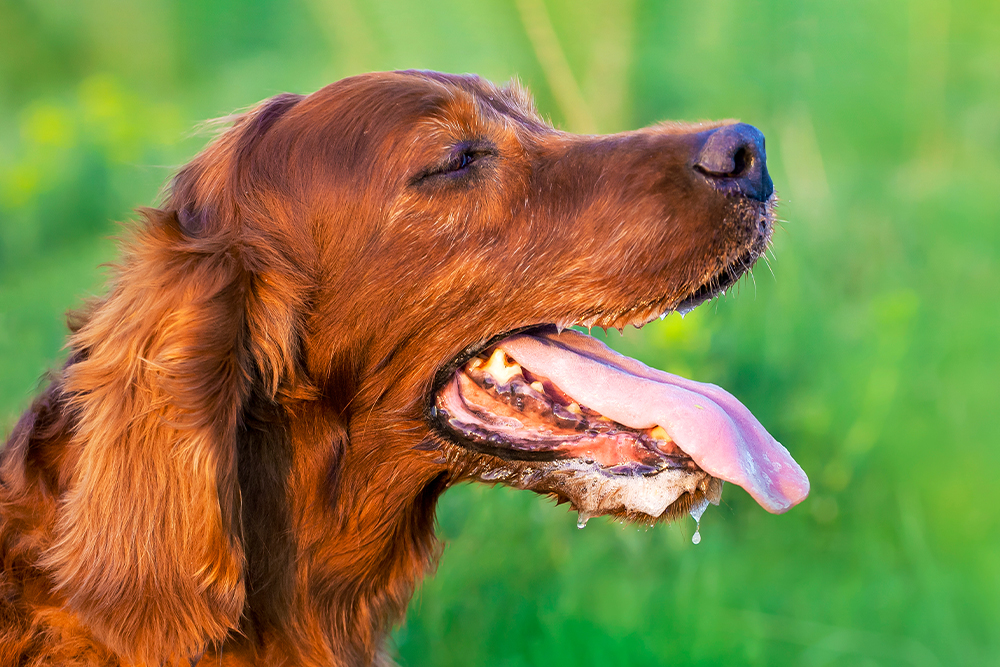
Heavy panting on a warm U.P. afternoon can be ordinary cooling in a healthy dog, but it has crossed into heat stroke once you also notice brick-red or purple gums, ropey drool, glassy eyes, vomiting, or a wobbly back end. In cats, open-mouth breathing is never routine and should be treated as an emergency from the first minute. A dog or cat tipping toward heat stroke pants harder rather than easier, and the picture worsens fast: diarrhea, disorientation, collapse, seizures. Vets get nervous once a rectal temperature climbs past 104 degrees Fahrenheit, and anything north of 106 is a true crisis. While someone drives, tuck the pet into shade or AC and wet the belly, armpits, groin, and paw pads with cool tap water (skip the ice), because liver, kidney, and clotting damage can keep unfolding for hours after the coat feels normal again.
Even in the cooler stretches of the rural Upper Peninsula, a muggy July afternoon can ambush a thick-coated husky or a sun-soaked cat, and Animal Medical Center of Marquette is set up for that exact phone call. Our in-house lab can run kidney, liver, and clotting panels during the same visit, while we start the cooling needed to prevent further organ damage. Seniors, brachycephalic breeds, and thick-coated pets wilt fastest when humidity climbs, so our Marquette team can map out a summer safety plan before August turns sticky. If you have a worrying afternoon today, let us know you’re on the way and we will talk you through the next step.
Start Here: The Fast Facts
- Heat stroke is a true emergency, and a rectal temperature above 104 degrees Fahrenheit means it is time to start cooling and call us, not wait and watch.
- Cool tap water on the belly, armpits, groin, and paws plus a fan does the job safely, while ice, ice baths, and wet towels left draped on the body can actually trap heat or overcool.
- A pet who seems to bounce back after cooling can still develop kidney, liver, heart, or clotting problems over the next one to three days, so monitoring matters even when the crisis looks over.
- Flat-faced breeds, seniors, overweight pets, and thick-coated dogs overheat fastest, and thoughtful timing, hydration, and shade prevent almost every heat emergency we see.
Which First Moves Actually Help an Overheating Pet?
The safest emergency steps for cooling are simple: get your pet into shade or a cool room, offer a small amount of cool water to drink but never force it, and start active cooling with tepid water and a fan while someone calls ahead. Skip ice baths and draped wet towels, which trap heat instead of releasing it.
Work through these steps in order:
- Get out of the heat: Move to shade, a cool room, or an air-conditioned car with the AC running.
- Cool the right spots: Pour or sponge cool to tepid tap water over the belly, groin, armpits, and paw pads, where blood runs close to the surface.
- Add airflow: Point a fan at your wet pet or crack the windows in a moving car; air passing over damp skin pulls heat out.
- Offer water gently: Let the pet lap a little on their own. Do not pour water into the mouth or force drinking, which risks choking or aspiration.
- Skip the ice and wet wraps: No ice baths, no ice packs, and no soaked towels left sitting on the body. Trapped heat and a hard chill both backfire.
- Stop cooling before it goes too far: Once the pet perks up and breathing eases, ease off so the temperature does not overshoot downward.
Even a pet who rallies in the driveway needs a professional set of eyes, because internal damage does not always show on the surface. We provide emergency and urgent care during our open hours for exactly this kind of afternoon. If you see severe signs, call us right away while you head in and we will prep for your arrival. After we close, the nearest veterinary ER should be your next call so care never has to wait.
Reading the Signs: Is This Heat Stroke or Just a Hot Day?
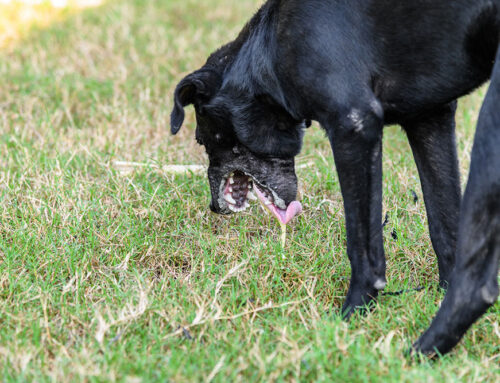
Heat stroke announces itself as a worsening pattern, not a single symptom. The early warning signs of heat stroke in pets are frantic panting and thick, ropey drool, and they climb toward bright red gums, wobbly legs, vomiting, and collapse as body temperature keeps rising.
The slide from mild distress to a medical crisis happens quickly, and watching that progression is the difference between catching it early and racing the clock. Early on, a dog pants harder than the activity warrants, seems restless, and drools thickly. As things worsen, the gums turn a startling brick red, the pet gets unsteady on their feet, and vomiting or diarrhea can appear. In the severe stage, gums may fade to pale or bluish, the pet becomes disoriented or collapses, and seizures can follow. Cats hide distress well, so open-mouth breathing in a cat is an emergency at the first breath, not a later stage. Trust the trend: a pet who is panting harder rather than settling needs help now.
What Happens Once Your Pet Reaches the Hospital?
Once a pet reaches us, heat stroke treatment works in three layers: controlled cooling, intravenous fluids to refill depleted blood volume, and close management of secondary complications. The highest risk of death falls inside the first 24 hours, which is why hospitalization is so often the right call.
Treatment here works on two fronts at once, the overheated body and the damage it can leave behind, and that first day is where the real risk lives. Controlled cooling means bringing the core temperature down at a measured pace and stopping around 103 degrees to avoid overshooting into dangerous hypothermia. IV fluids do double duty: they restore blood volume lost to shock and help protect the kidneys as they work to clear the fallout. The third layer is watching for and treating what heat injury triggers next, from clotting problems to organ stress, with the in-house lab guiding each decision. Families often ask about the level of care behind the scenes; the AAHA-accredited diagnostics and monitoring our hospital operates under set the bar for what an emergency like this demands.
The Quiet Danger After the Temperature Drops
The danger does not end when the temperature comes down. A pet that perks up right after cooling can still slide into delayed organ complications affecting the kidneys, liver, heart, and gut over the next 24 to 72 hours, which is why monitoring matters even after the crisis seems past.
The heat sets off a chain reaction inside the body, and the effects can surface a full day or two later. That cascade has a name, systemic inflammatory response syndrome, and it can pull organ after organ into trouble along with dehydration and internal blood loss. One of the most feared of these is disseminated intravascular coagulation, a state where the blood clots and bleeds abnormally at once, and it can develop hours after the pet appeared stable. This is exactly why we lean on in-house diagnostics and hospitalization to recheck kidney, liver, and clotting values after a heat event, catching a downward turn before it becomes a crisis.
The Reason Pets Hit Their Limit Before You Do
Dogs and cats cannot sweat their way cool the way we do. They rely almost entirely on panting to move heat out through the breath, so a humid, still afternoon takes away their main tool fast, the core temperature climbs, and there is no backup plan waiting in the wings.
The only sweat glands they have are a trickle in the paw pads, and when the air is already warm and wet, that cooling system shuts down. Some pets start the day with far less room to spare than others. Flat-faced breeds like Bulldogs, Pugs, and Persians have shortened airways that make panting far less efficient, which leaves them dangerously close to the edge on a warm day. Every extra pound narrows the margin further. Coat thickness matters too: a double-coated husky or a fluffy long-haired cat carries a winter jacket into July. Age is its own risk factor, since puppies, kittens, and seniors regulate temperature poorly, and any dog or cat with heart or airway disease loses ground faster still.
Because the risk is so individual, the safe plan for your pet is not the same as your neighbor’s. Trimming a few pounds off a heavy, flat-faced dog can meaningfully widen that heat margin, and our team offers weight management counseling built around your specific dog or cat. Here is how the common risk factors stack up:
| Risk factor | Why it raises heat risk | Pets most affected |
|---|---|---|
| Flat-faced (brachycephalic) build | Shortened airway makes panting inefficient | Bulldogs, Pugs, Boxers, Persians |
| Thick or double coat | Traps body heat like insulation | Huskies, Malamutes, long-haired cats |
| Extra body weight | Insulates the core and strains breathing | Any overweight dog or cat |
| Age extremes | Immature or aging temperature control | Puppies, kittens, seniors |
| Heart or airway disease | Less reserve to move heat and oxygen | Pets with known conditions |
What Simple Habits Can Prevent a Heat Emergency?
Nearly every heat emergency can be prevented with hydration and cooling aids: fresh water at every stop, a cool mat or damp towel to rest on, shade breaks before your dog asks, and a fan moving air during the hottest hours. Watch for that first hard pant and take a break proactively.
The good news is that prevention lets you stay a step ahead, acting before your pet ever has to signal that it is too much.
Timing and Pacing Outdoors
Most of preventing heat stroke during a heat wave is about when and how hard you go: walk at dawn or after dusk, dial back the intensity, and press the back of your hand to the pavement for seven seconds first, because if it is too hot for your skin it is too hot for paws. Cut play short the moment your dog slows down, seeks shade, or starts panting hard, and if you want a personalized plan for safe activity levels, book a wellness visit and we will build one around your pet.
Never the Car, Not Even for a Minute
A parked car can hit 120 degrees in under half an hour even on an 80-degree day; hot vehicles take pets’ lives every summer, and cracking the windows barely slows the climb. Michigan pet families should know a quick errand is never worth it, and if your pet was stuck in a hot car, reach out for triage guidance right away so we can tell you what to watch for and when to come in.
Cats Who Roam Need Their Own Plan
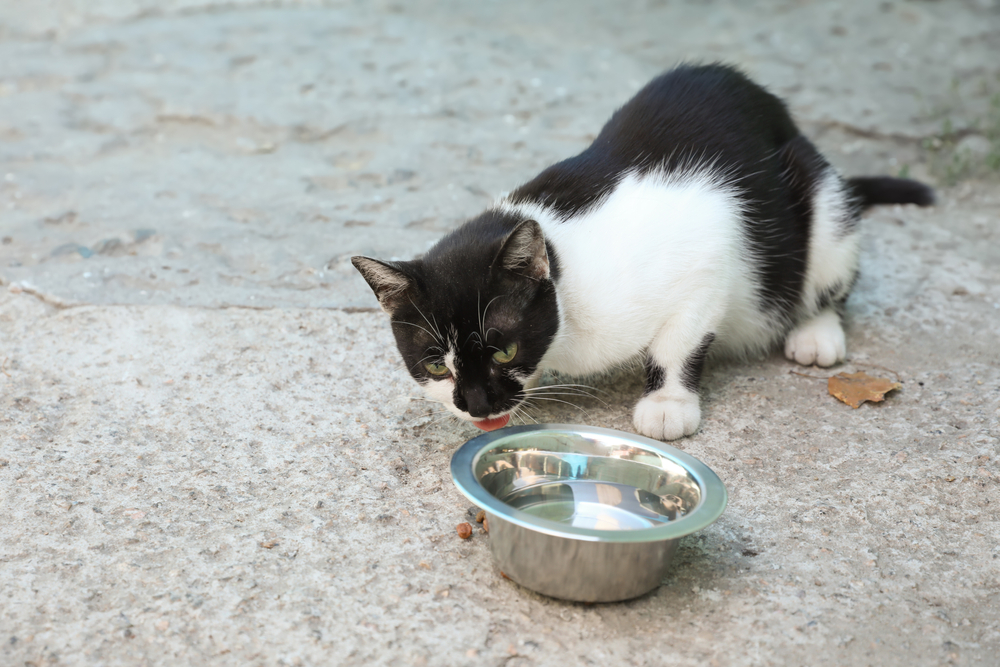
Outdoor cat summer safety comes down to several shaded water bowls refreshed through the day, a ventilated shelter out of direct sun, and an easy way back inside when midday heat peaks. A safe enclosure or supervised time outside limits sun exposure while still letting your cat enjoy the yard.
How Do You Keep Your Pet Cool and Happy Indoors?
A comfortable indoor setup does most of the work on a scorching day: run the air conditioning or fans, give access to cool tile or a shaded corner, and keep fresh water flowing. The trick is summer boredom busters that occupy a restless pet without heating it back up.
Indoor days work best when you skip the running and roughhousing that drive body temperature right back up; low-effort brain games tire a pet out while keeping them cool. A few DIY enrichment toys like a frozen stuffed puzzle feeder or a snuffle mat give a bored pet a mental workout on the cool floor while the afternoon sun does its worst outside.
Heat Stroke: The Questions Pet Families Ask Most
Can heat stroke happen indoors or on a cloudy day?
Heat stroke can absolutely happen indoors or on a cloudy day, because the risk comes from the pet’s ability to shed heat, not just the thermometer reading outside. A poorly ventilated room, a sunny window a cat naps in, or a humid day that stalls panting can all push a vulnerable pet over the edge. Flat-faced breeds, seniors, and overweight pets can overheat in conditions that feel merely warm to you, so watch the individual animal, not only the forecast.
My dog cooled down at home and seems fine. Do we still need to come in?
We really recommend it. Looking better on the surface does not rule out the internal damage heat stroke can cause, and problems with the kidneys, liver, or clotting can show up one to three days later. A quick check of bloodwork gives us a baseline and lets us catch a downward turn early. Call us and describe what happened, and we will help you decide how urgently to come in.
Is it ever safe to use ice or an ice bath to cool my pet?
Ice is the one tool to leave out, even in a frightening moment. Ice baths and ice packs cool the skin so fast that surface blood vessels clamp down, which can actually slow heat loss from the core. Cool to tepid tap water on the belly, groin, armpits, and paws, paired with a fan, brings the temperature down safely and steadily. Ease off once your pet perks up so the body does not overshoot into a chill.
Your Partner for a Safe, Happy U.P. Summer
A safe, happy U.P. summer is something we build together: heat stroke is a genuine emergency, but it is also one of the most preventable ones we see. Recognizing that first hard pant, adjusting activity and hydration, and keeping cool indoor retreats ready will carry most pets comfortably through the stickiest afternoons.
And when the heat does get ahead of you, quick action makes all the difference. When you want a plan tailored to your dog or cat, schedule a personalized summer safety plan with us. If a hot day has already turned worrying, let us know you’re headed in so we can be ready.



Leave A Comment